
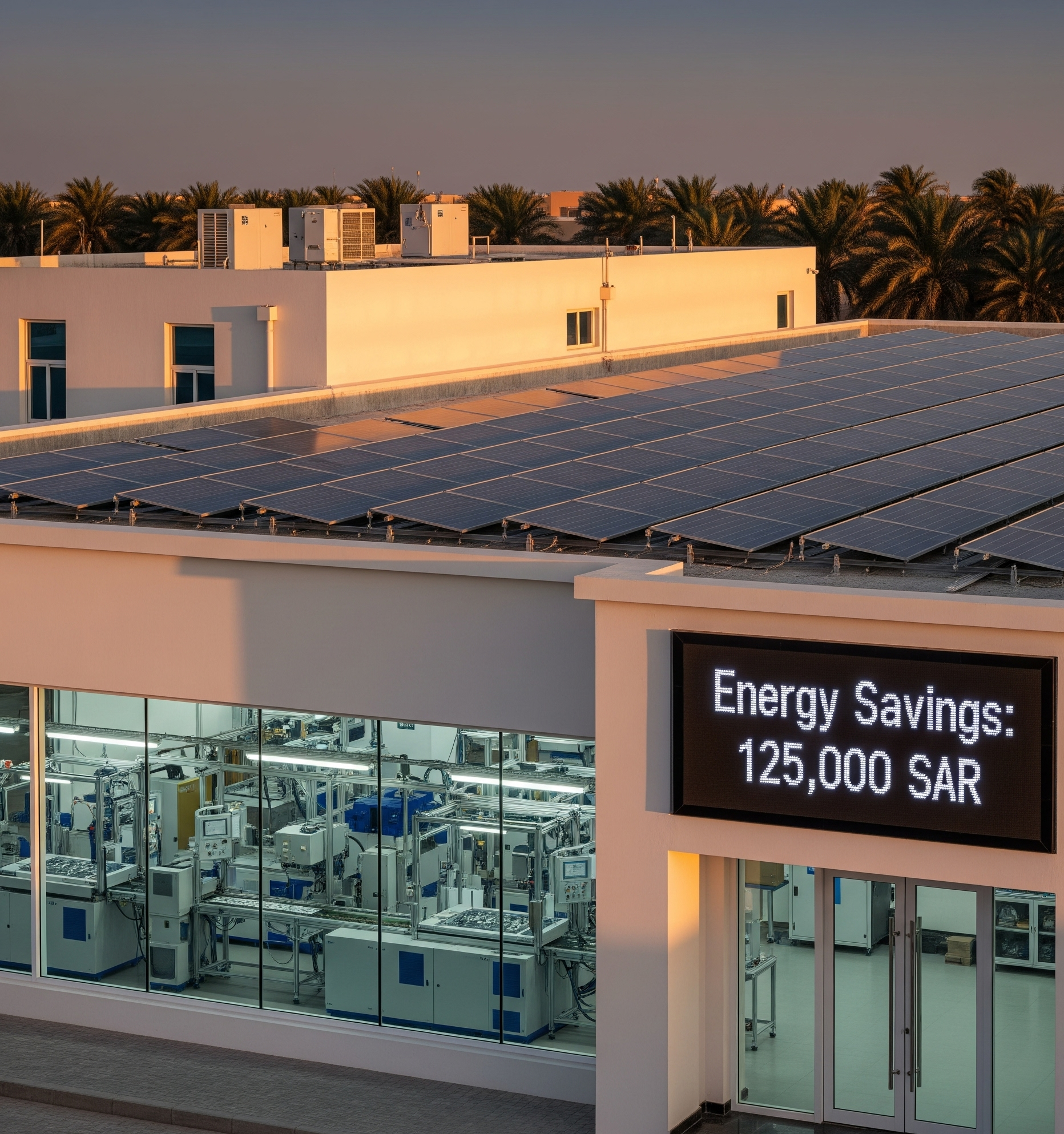
In today’s fast-evolving economy, energy management is more than just a buzzword—it’s a strategic necessity. At its core, energy management involves monitoring, controlling, and conserving energy in buildings, industries, and infrastructure to reduce consumption, cut costs, and lower environmental impact.
Energy management—simply put—is the practice of tracking, controlling, and optimizing energy use in your facility ,this is can be done by specialized providers . For small and medium-sized industrial or commercial businesses (SMEs) in Saudi Arabia, it’s not just about saving electricity—it’s about staying competitive, compliant, and future-ready.

Why Should SMEs Care?
Many SMEs operate on tight margins, and energy bills often make up a significant portion of monthly operating costs. Poorly managed energy use can silently drain resources. Implementing basic energy management—like upgrading lighting systems, optimizing HVAC schedules, or installing simple energy management platform —can cut energy costs by 10–30%, with minimal investment.
Tangible Benefits for SMEs:
- Significant Cost Savings: Energy bills are a major operational expense for many SMEs. By implementing data driven energy management practices thanks to continuous monitoring and historical data gathered by simple Energy management platform businesses can see a direct reduction in utility costs. These savings can then be reinvested into the business, improving cash flow and competitiveness.
- Enhanced Operational Efficiency: Energy waste often goes hand-in-hand with operational inefficiencies. An energy management system can identify areas where processes can be streamlined, equipment can operate more effectively, or production schedules can be optimized to reduce energy intensity. This leads to smoother operations and increased productivity.
- Improved Competitiveness: As energy prices fluctuate and demand for sustainable practices grows, businesses that manage their energy effectively gain a competitive edge. They can offer more competitive pricing due to lower overheads and appeal to environmentally conscious customers and partners.
- Reduced Environmental Footprint: While profit is key, contributing to a greener future is also increasingly important. Energy management directly reduces greenhouse gas emissions, aligning SMEs with national and global sustainability efforts. This can also enhance their brand image and corporate social responsibility (CSR).
- Increased Equipment Lifespan and Reduced Maintenance: Optimized energy use often translates to less strain on equipment. This can extend the operational life of machinery, reducing the frequency and cost of maintenance and replacements.
The Evolving Regulatory Landscape and Support for SMEs
Saudi Arabia’s commitment to energy efficiency, driven by Vision 2030, is fostering a supportive environment for SMEs to adopt energy management practices. The Saudi Energy Efficiency Center (SEEC) is at the forefront of these efforts, developing regulations, guidelines, and programs.

SEEC issues guides and regulations for various sectors, including residential and commercial buildings, and industrial facilities. For instance, the “Energy Management Program Requirements Guide” provides practical steps and tools for establishments to implement energy management systems, often aligning with international standards like ISO 50001.
In essence, energy management is no longer a luxury but a necessity for Saudi SMEs looking to thrive in a competitive and sustainability-focused market. With the active support and evolving regulations from entities like SEEC, there’s a clear pathway for these businesses to unlock significant financial and environmental benefits.